

Reduce fraud when you verify every payment
Verify every payment to reduce fraud, block unauthorized transactions, & protect revenue


.svg)


Layer authentication tools through a unified API
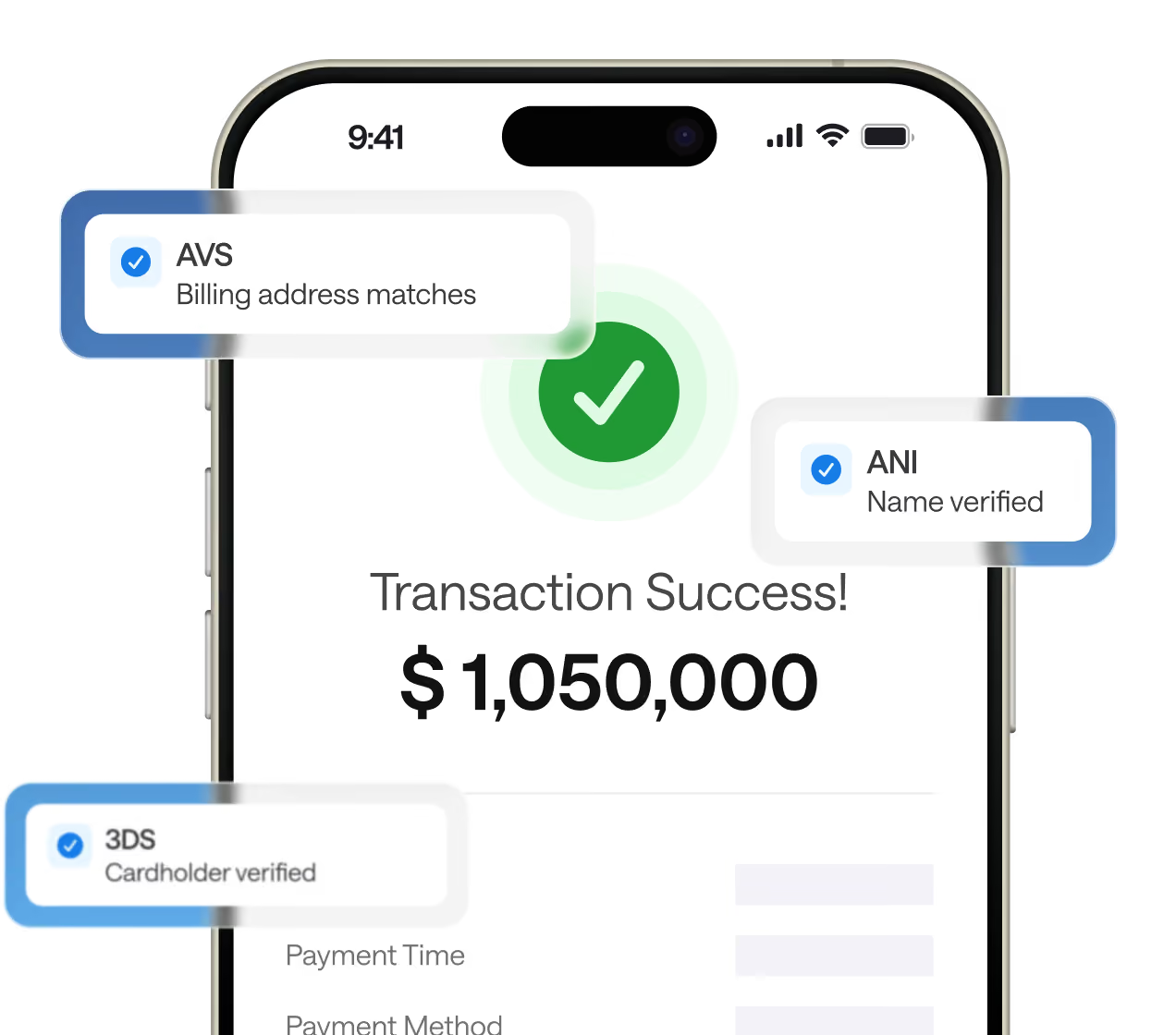
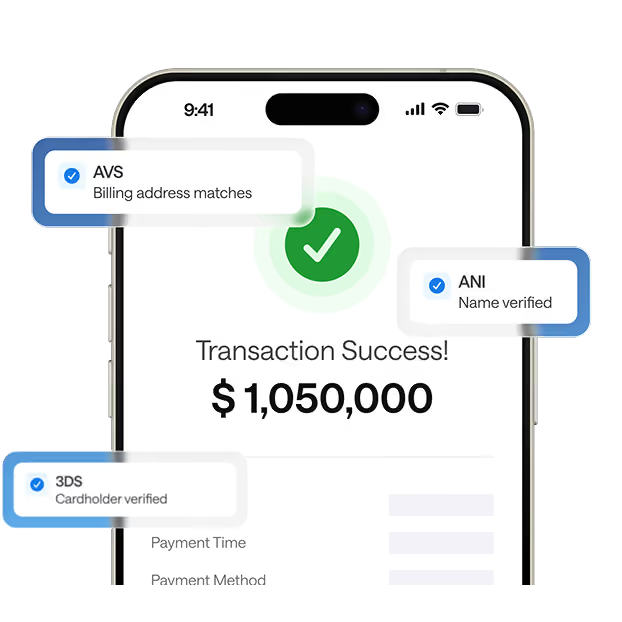
AVS (Address Verification Service)
Verify a customer’s address with the card issuer
Restricted lists
Validate a customer’s name with the card issuer
3DS
Authenticate transactions with enhanced card verification
Apple Pay & Google Pay
Offer more convenient ways to pay while boosting security
CVV2
Validate the card's security code
Network Tokens
Strengthen transaction authentication with network-issued credentials
Authenticate with confidence
Verify cardholder address
Prevent fraud by confirming a cardholder’s address matches the address registered to the card issuer
.avif)
.avif)

Verify cardholder name
Reduce fraud by comparing a cardholder's name with the name registered to the card issuer
.avif)

Verify by 3DS
Implement an additional level of security that allows users to confirm their identity
.avif)
Verify by biometrics
Add an additional layer of verification & make it easier for users to pay with their phones, improving the customer experience
.avif)
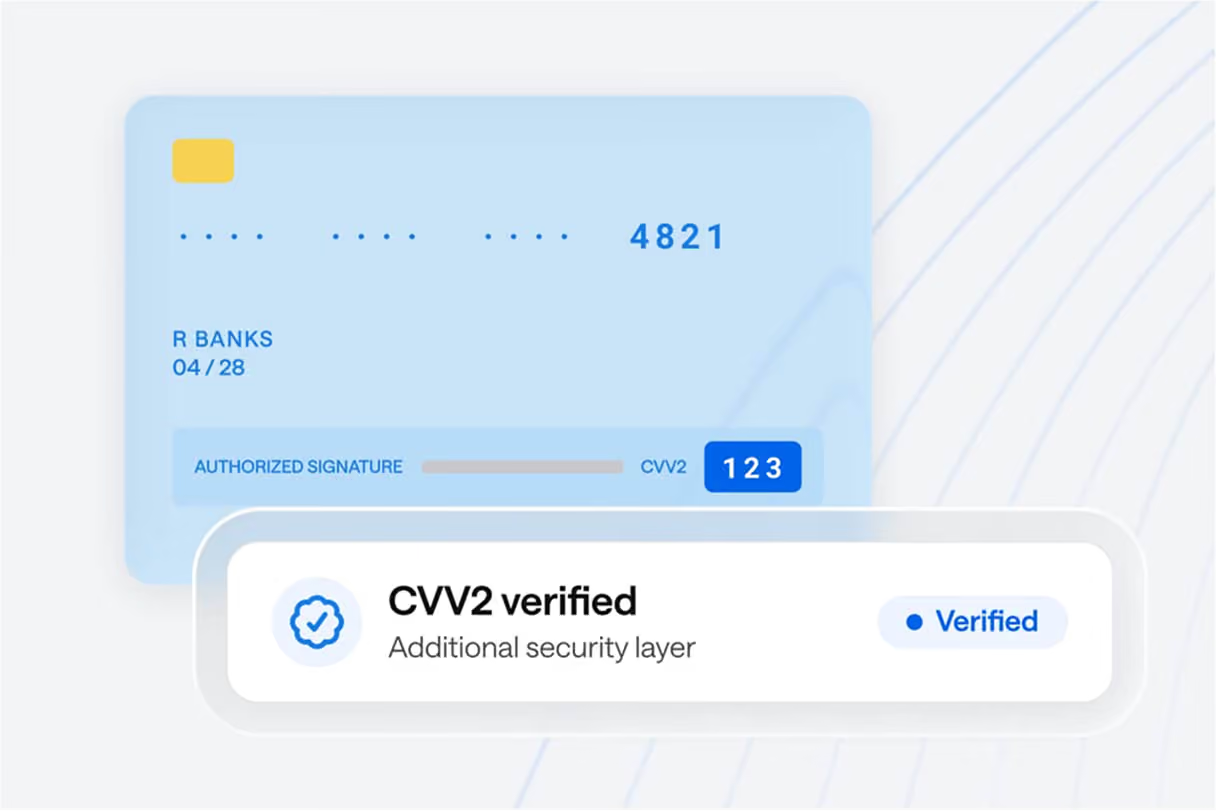
Verify by CVV2
Verify the card security code during payment authorization to help prevent unauthorized card use & reduce fraud
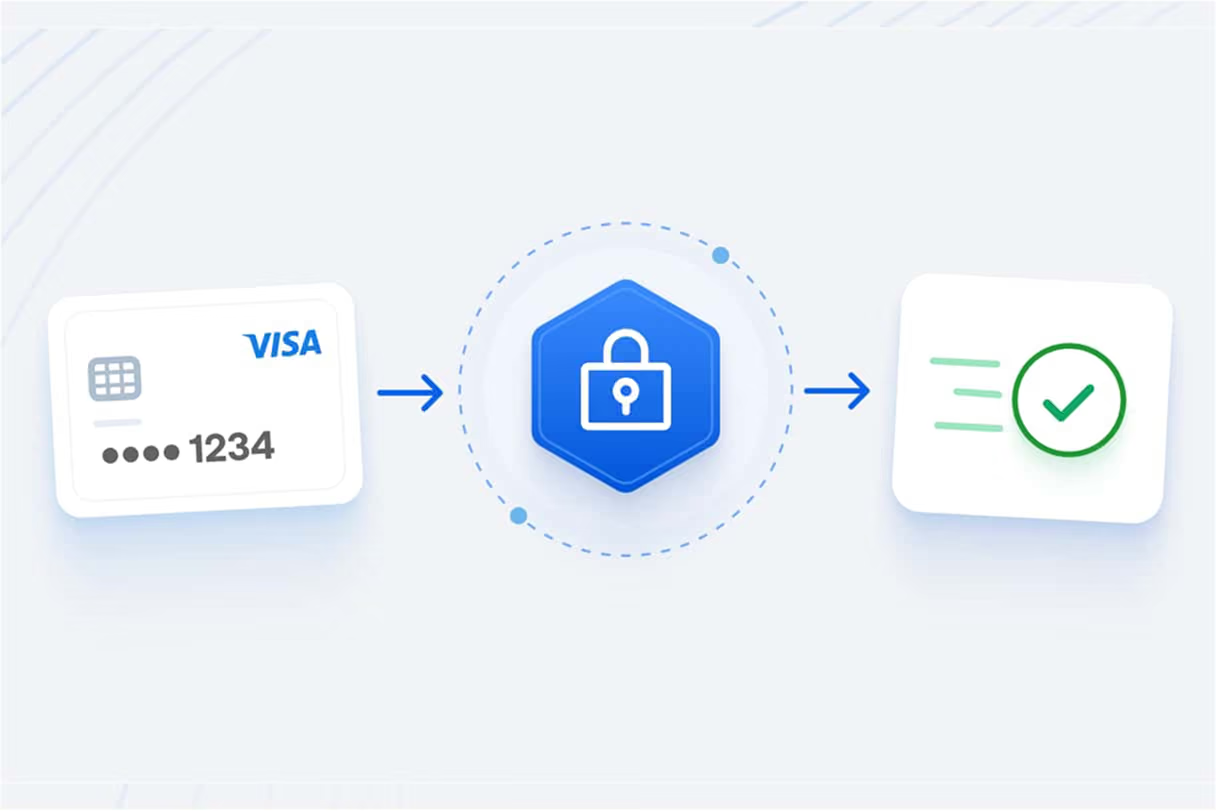
Protect with Network Tokens
Replace sensitive card data with secure payment credentials that help reduce fraud & improve payment performance
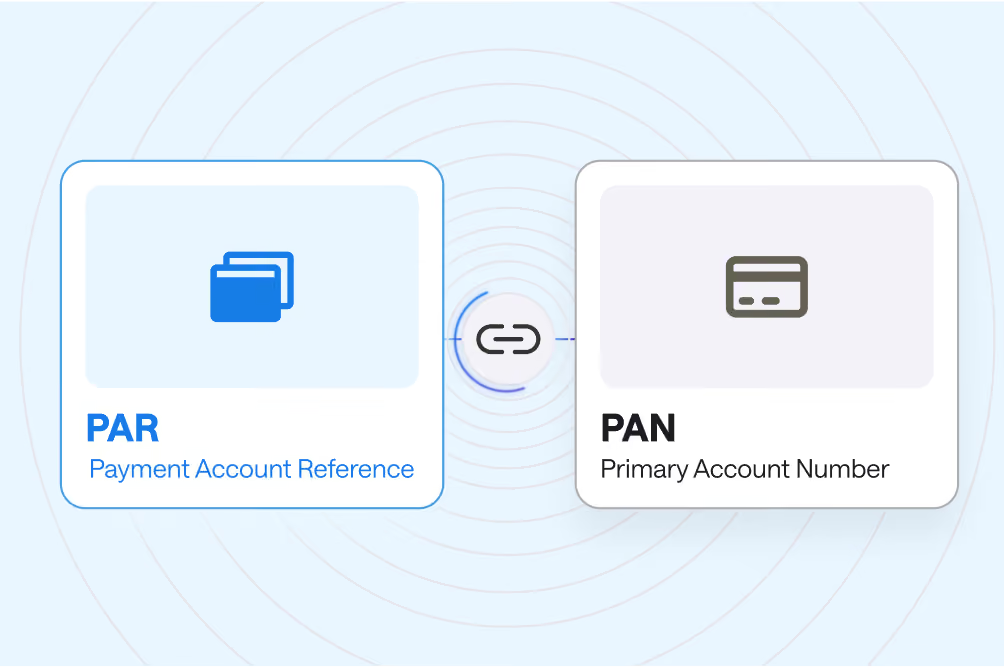
Persistent card identity using PAR
Payment Account Reference (PAR) links transactions to the same card account — even when card numbers change or cards are tokenized

Catch fraud throughout the entire payments flow
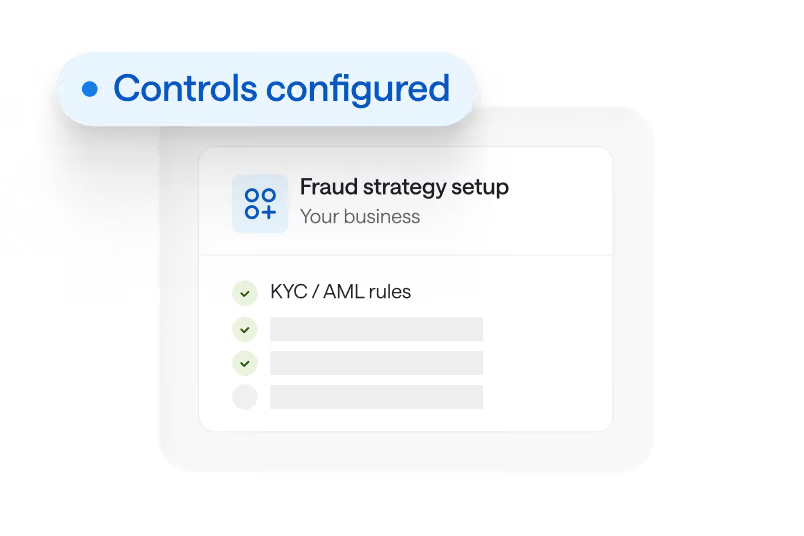
Pre-transaction
Verify customer & card details (AVS, ANI, 3DS)
Confirm physical card is present (CVV2)
Enable secure payment credentials (Apple Pay, Google Pay, & Network Tokens)
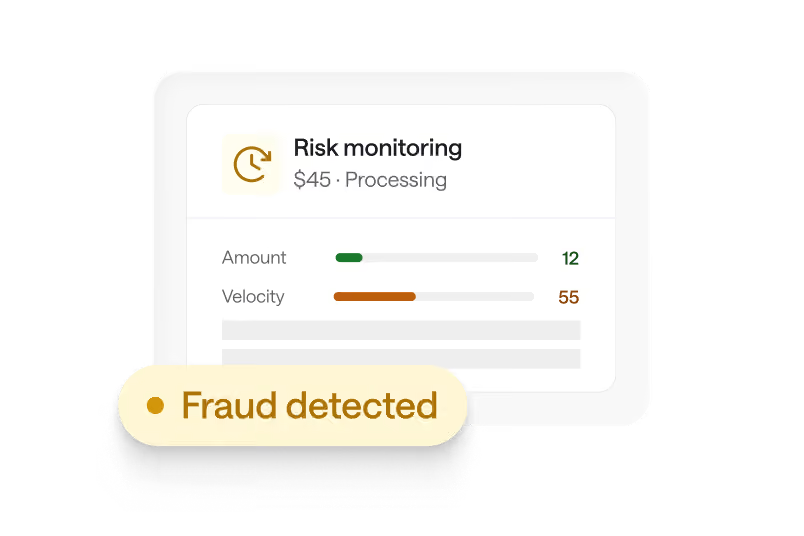
During transaction
Evaluate transactions against fraud rules
Detect unusual behavior in real time
Block or review high-risk transactions
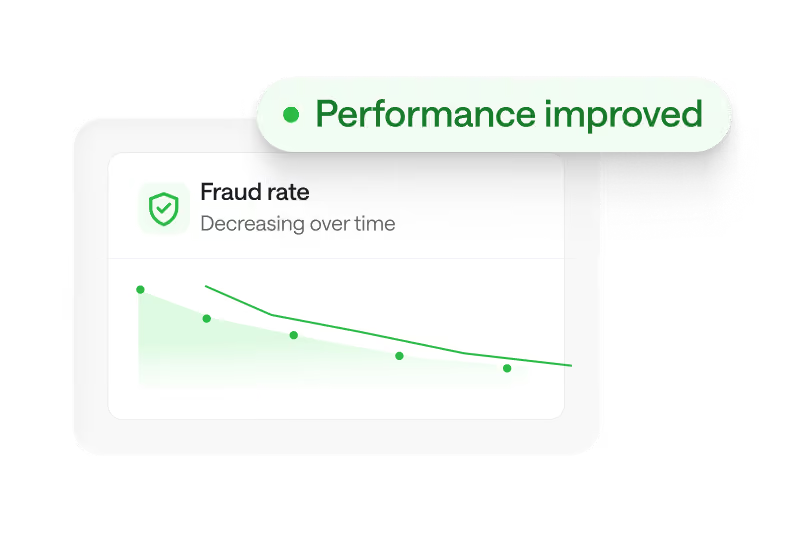
Post-transaction
Monitor fraud & chargeback performance
Investigate fraud patterns & emerging threats
Optimize risk controls using transaction insights

“Trust is built in the first moments using a new feature. Our collaboration with TabaPay and Visa means we can onboard more members instantly, reinforcing our commitment to a secure and seamless experience from day one.”

Frequently asked
questions
Payment authentication helps verify that a transaction is legitimate before it is authorized, reducing fraud, preventing unauthorized payments, and protecting revenue.
TabaPay provides configurable authentication capabilities that help businesses verify the legitimacy of a transaction by validating the person, device, and payment credentials before authorization. By supporting configurable authentication methods, TabaPay enables businesses to balance security with a seamless customer experience based on the level of risk.
TabaPay supports multiple authentication methods that can be tailored to different payment flows and risk requirements. This flexibility allows businesses to apply the appropriate level of verification while minimizing unnecessary friction for legitimate transactions.
These Include:
- Account Name Inquiry (ANI): Validate the customer’s name with the card issuer before initiating a payment.
- Address Verification Service (AVS): Validate the customer’s address with the card issuer before or during payment authorization.
- CVV2 Verification: Confirm the customer is in possession of the physical payment card by validating the card security code before or during payment authorization.
- 3D Secure (3DS): Allow the card issuer to verify the cardholder before completing the authorization request.
- Apple Pay® and Google Pay™: Authenticate the cardholder using biometric-based verification and tokenized payment credentials.
- Network Tokens: Replace stored card numbers with secure, network-issued payment credentials before transactions to reduce fraud and protect sensitive card data.
Authentication helps prevent fraud before a payment is processed by verifying the legitimacy of a transaction. By validating the person, payment credentials, device, and other authentication signals, businesses can reduce unauthorized transactions, account takeover attempts, and payment fraud.
Authentication should be used whenever a business needs to verify the legitimacy of a payment or customer interaction. Common use cases include linking a payment method, initiating higher-risk transactions, updating payment information, and authenticating card payments before and during authorization.
Yes. TabaPay supports 3D Secure (3DS) to help you reduce fraud on eligible card transactions. When you initiate a 3DS authentication request, the card issuer evaluates the transaction and determines whether the cardholder needs to complete an additional verification step. Many transactions are authenticated without requiring any customer interaction, while higher-risk transactions may require verification using a one-time passcode, biometrics, or a banking app. This helps reduce fraud and chargebacks while increasing issuer confidence in legitimate transactions.
Stop fraud before it occurs
Reduce fraud & grow your business with TabaPay's fraud experts

TabaPay does more than authentication
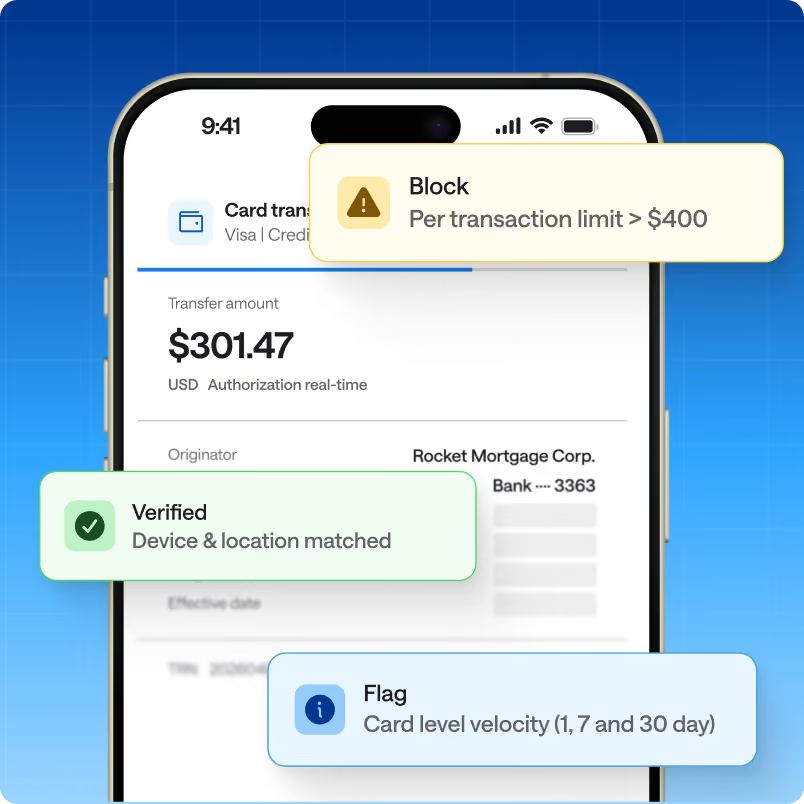
Fraud detection & monitoring
We help you detect fraud in real time to drive down risk
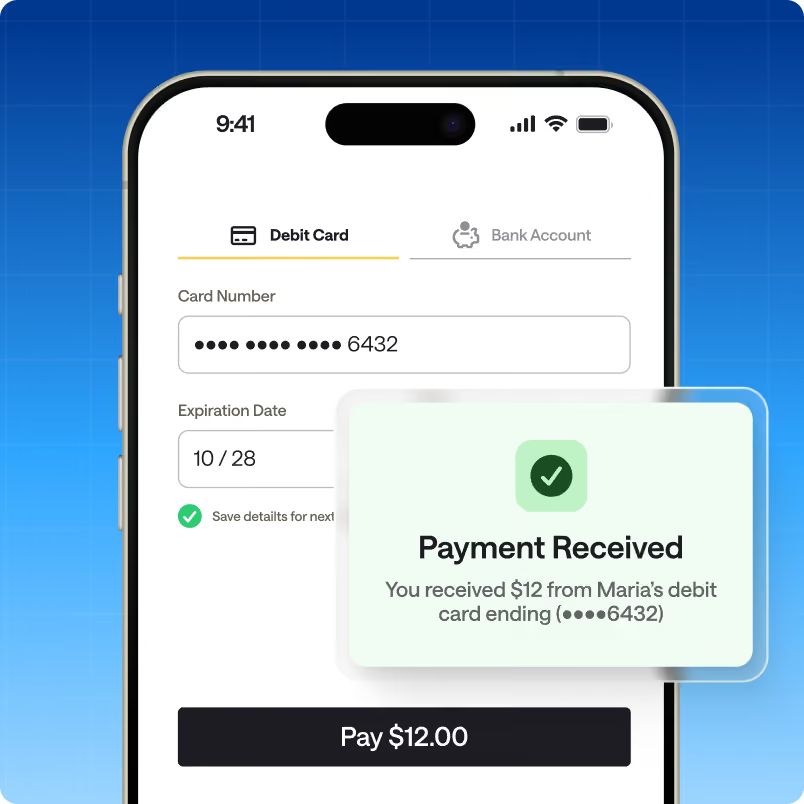
Payments
We know reliable payments inside & out
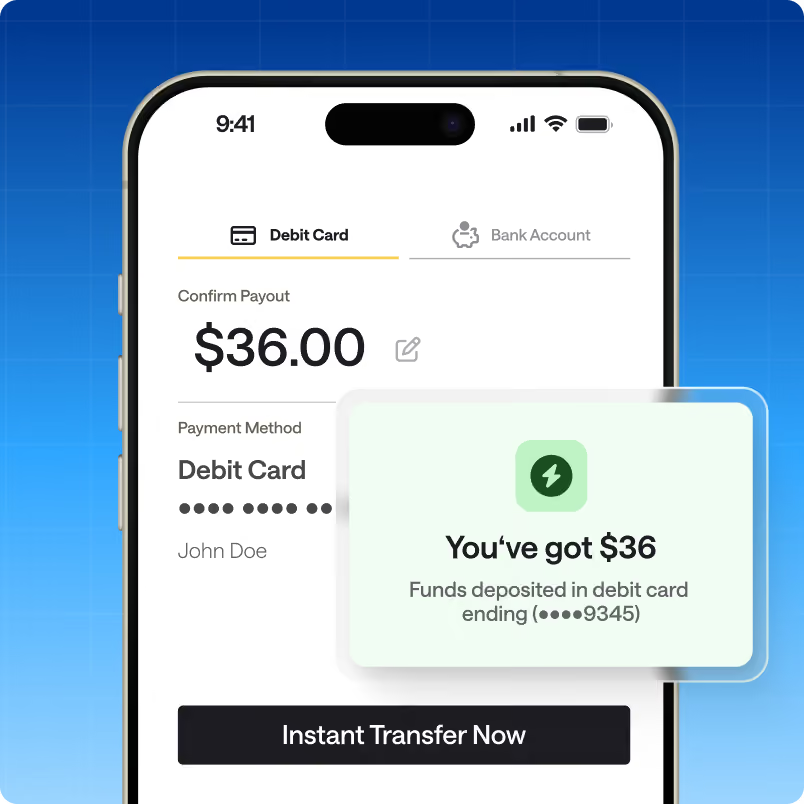
Payouts
We pioneered instant payouts & continue to lead the way